
Kirov Region
Description
Kirov Oblast is a federal subject of Russia (an oblast). Its administrative center is the city of Kirov. Population: 1,341,312 (2010 Census).
Geography
Natural resources
The basis of the natural resources of the forest are (mostly conifers), phosphate rock, peat, furs, water and land resources. Extremely rare mineral volkonskoite. Widespread deposits of peat. Large stocks of non-metallic mineral raw materials: limestone, marl, clay, sand and gravel. In recent decades, in the east of the area revealed a minor recoverable oil reserves and deposits of bentonite clays. In the area is the largest in Europe Vyatsko-Kama deposit of phosphate rock . The area is rich in mineral springs and therapeutic mud. On the territory of Kumyonsky District is famous resort town of federal significance Nizhneivkino, which on treatment and rest come to residents of the Kirov region and many regions of Russia.
Hydrography
The region has a total length of 19753 River 66.65 kilometers. Northern Uvaly two separate river basins - the Severodvinsk and the Volga. Much of the area is occupied by the Vyatka River basin, a tributary of the Kama River in Tatarstan. At Kama is only in the upper reaches. To large flowing within the area are also river mole and Tansy, Luza, Cobra, Cheptsa.
The total number of lakes in the area of 4.5 thousand ponds With the total number of closed water area of 5.5 million. The largest lakes : Akshuben - 85 hectares, the Oryol is 63 hectares, Muserskoe - 32 hectares. The deepest area of the pond Lezhninskoe Lake - 36.6m.
History
Kirov Krai was established on December 7, 1934. It was transformed into Kirov Oblast on December 5, 1936 upon the adoption of the 1936 Soviet Constitution.
Towns

All accomodation types
Hotels
 Rayskiy ugolok Hotel
 Plaza Hotel
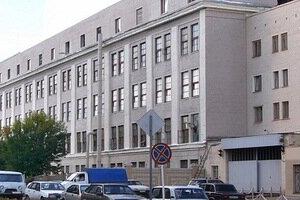 Mayak Hotel
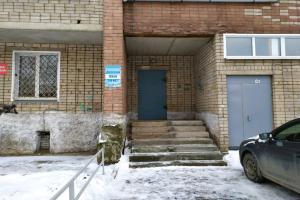 Turist Hotel
 Oazis Hotel
 High ratingGolfstrim Hotel
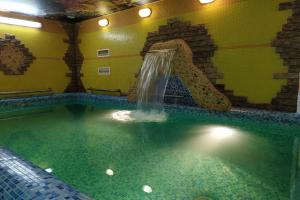 Delfin Hotel
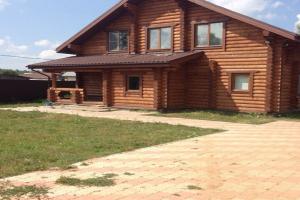 Kottedzh Basharovo Hotel
Hostels
 Old Bridge Hotel