
Buryatia
Description
The Republic of Buryatia is a federal subject of Russia (a republic). Its capital is the city of Ulan-Ude. Its area is 351,300 square km with a population of 972,021 (2010 Census).
Geography
The republic is located in the south-central region of Siberia along the eastern shore of Lake Baikal.
- Area: 351,300 km²
- Borders:
- Internal: Irkutsk Oblast (W/NW/N), Zabaykalsky Krai (NE/E/SE/S), Tuva Republic (W)
- International: Mongolia (S/SE)
- Water: Lake Baikal (N)
- Highest point: Mount Munku-Sardyk (3,491 m)
Rivers
Major rivers include:
- Barguzin River
- Irkut River
- Kitoy River
- Oka River
- Selenga River
- Uda River
- Upper Angara River
- Vitim River
Lakes
- Lake Baikal - Buryatia covers 60% percent of the lake's shoreline
- Lake Gusinoye
Mountains
Over 80% of the republic's territory is located in the mountainous region, including the Baikal Mountains on the northern shores of Lake Baikal.
Natural resources
The republic's natural resources include gold, tungsten, zinc, uranium, and more.
History
Slab Grave cultural monuments are found in northern, central and eastern Mongolia, Inner Mongolia, north-western China, southern, central-eastern and southern Baikal territory. The people of Slab Grave culture were Mongols.
The Xiongnu Empire (209 BC-93 CE) governed the territory of modern Buryat Republic. The identity of the ethnic core of Xiongnu has been a subject of varied hypotheses and proposals by scholars include Mongolic and Turkic.
The Merkits were a Mongolic confederation of three tribes, inhabiting the basin of the Selenge and Orkhon Rivers. They were most likely absorbed by other Mongol tribes (Oirats, Buryats) and others who fled to Kypchaks mixed with them. At the beginning of the 9th – 13th centuries, the Khori-Tümed Mongols lived near the western side of Lake Baikal. In the 13th century, they were the inhabitants in southern Irkutsk and southwestern Buryatia. In 1207, Genghis Khan, after conquering the Khori-Tumed, decided to move some of these groups south and these people eventually settled in Inner Mongolia.
The Bayad Mongols lived in west of Selenge River (Jida river, Kyakhtinsky District) and they moved to Altai Mountains in the 17th century.
In the 12-13th centuries, the Barga Mongols appeared as tribes near Lake Baikal, named Bargujin.
The territory of current Buryat Republic has been ruled by the Mongolic Xianbei state (93-234), Rouran Khaganate (330-555), Mongol Empire (1206-1368) and Northern Yuan (1368-1691).
The area of the present-day Buryatia was first colonized in the 17th century by Russians in search of wealth, furs, and gold.
In 1923, the Buryat-Mongolian Autonomous Soviet Socialist Republic (Buryat: Буряадай Автономито Совет Социалис Республика; Russian: Бурятская Автономная Советская Социалистическая Республика) was created as a result of the merger of State of Buryat-Mongolia and Mongol-Buryat Oblasts. In 1937, Aga Buryatia and Ust-Orda Buryatia were detached from the Buryat-Mongolian ASSR and merged with Chita and Irkutsk Oblasts, respectively. In 1958, the name "Mongol" was removed from the name of the republic. The Buryat ASSR declared its sovereignty in 1990 and adopted the name Republic of Buryatia in 1992. However, it remained an autonomous republic within the Russian Federation.
The Buryat Autonomous Soviet Socialist Republic was an Autonomous Soviet Socialist Republic in the Soviet Union.
Religion
Traditionally, Buryats adhered to archaic beliefs and cults, which were based on the deification of nature, belief in spirits and the possibility of their magic influence on the surroundings. This was embraced by Shamanism, which systematised tribal beliefs and cults. From the second half of the 17th century, beliefs and cults in the Shaman form were displaced by Buddhism, which became widespread in ethnic Buryatia. By the end of the 19th century, the majority of Buryats were part of the Buddhist tradition. A synthesis of Buddhism and traditional beliefs that formed a system of ecological traditions has constituted a major attribute of Buryat eco-culture.
As of a 2012 official survey 27.4% of the population adheres to the Russian Orthodox Church, 19.8% to Buddhism, 2% to Rodnovery, Tengrism or Buryat shamanism, 4% declares to be generically unaffiliated Christian (excluding Catholic and Protestant), 1% follows other Orthodox Churches, 1% Protestantism. In addition, 25% of the population declares to be "spiritual but not religious", 13% to be atheist, and 10.8% follows other religion or did not give an answer to the survey.
Tibetan Buddhism and Orthodox Christianity are the most widespread religions in the republic. Many Slavs, who constitute around 67% of the population, are Russian Orthodox. Since the breakup of the USSR in 1991, a small number have converted to various Protestant denominations or to Rodnovery, Slavic Paganism. There are also some Catholics among the Slavs. Most of the Germans (0.11% of the population) are also Orthodox, so are some other non-European groups like Armene (0.23%), Georgian (0.03%), and Soyot (0.37%). Buryats constitute 30.04% of the total population.
Most urban Buryats are either Buddhist or Orthodox, while those in the rural areas often adhere to Yellow shamanism, a mixture of shamanism and Buddhism, or to Black shamanism. There are also Tengrist movements. Siberian Tatars are around 0.7% of the population. However, due to isolation from the main body of Tatars, many of them now are either non-religious or Orthodox. Islam is followed by immigrant groups like Azeris and Uzbeks, who constitute another 0.7% of the population.
Tourism
Lake Baikal is a popular tourist destination, especially in summer.
Towns
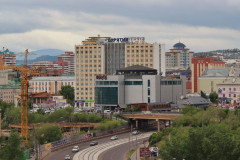

All accomodation types
Hotels
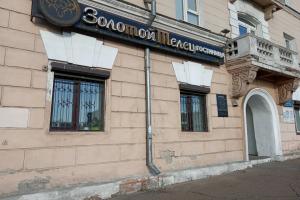 Zolotoy telets Hotel
 Townhouse
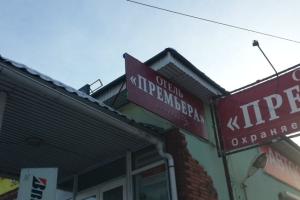 Premera Hotel
 Ordon Hotel
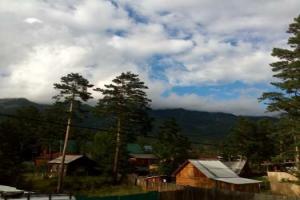 Na Lermontova 14a Hotel
 Eva Hotel
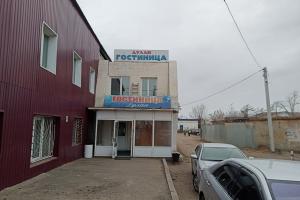 Dulan Hotel
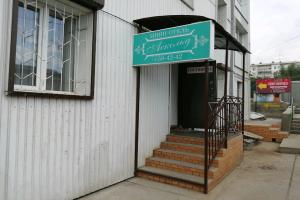 Askold Hotel
 Solnechnyij Ostrov Hotel
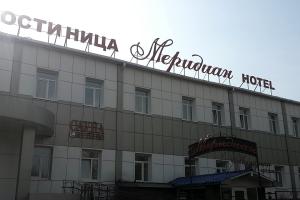 Meridian Hotel
 Hotel Sofia
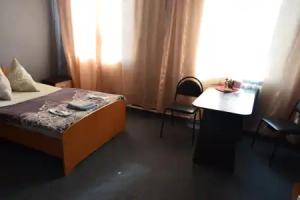 Yuzhnaya Hotel
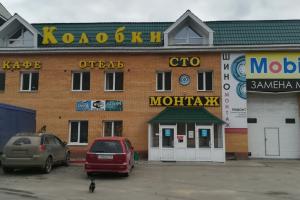 Kolobki Hotel
 Endemik Hotel
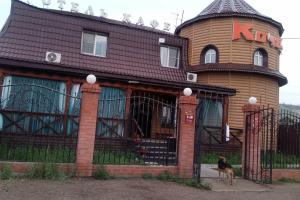 High ratingKafe-otel Kochevnik
 Magistral Hotel
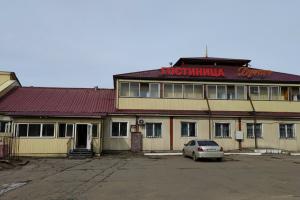 Dulan Hotel
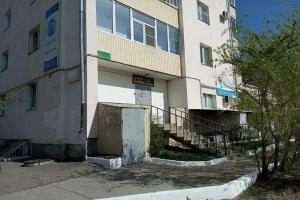 SoVa Hotel
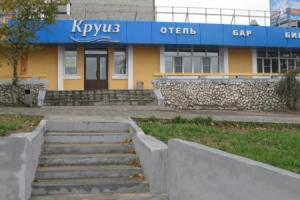 Kruiz Hotel
 Boston Hotel
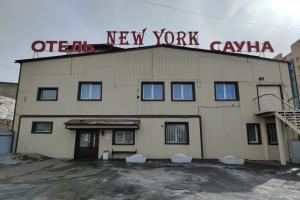 Hotel New York
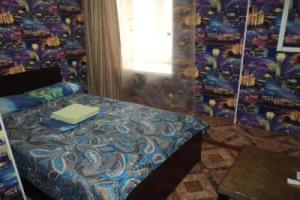 Mini Hotel Sova
 Voyazh Hotel
 Hotel "Gostiniy Dvor"
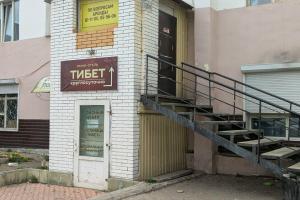 from 5 USDTibet Hotel
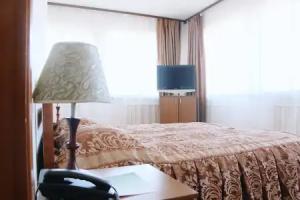 from 12 USDKrona Hotel
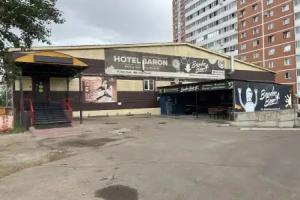 from 12 USDHotel Baron
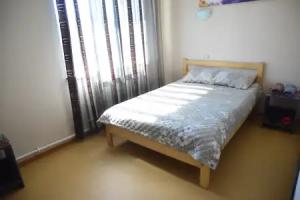 from 15 USDArbat Mini-hotel
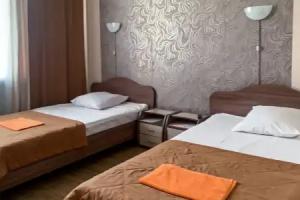 from 13 USDSmart Hotel Kdo Hotel
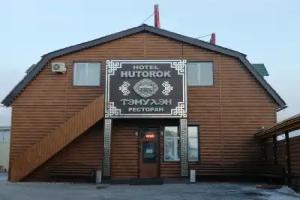
Hostels
 Dostoevskiy Hostel
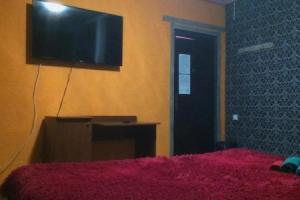 OfferA Hostel
 Urban Nest Hostel
 Sansara Hostel
 Respublika Hostel
 from 5 USDYunior V Fsk Hostel
 Offerfrom 7 USDVershiny Hostel
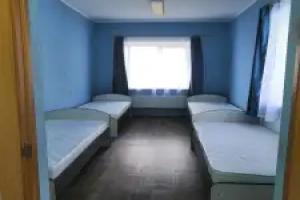 from 8 USDZvezda Hostel
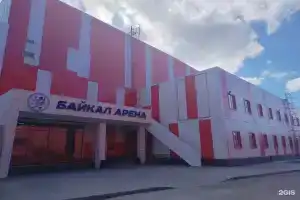 High ratingfrom 8 USDBaykal Arena Hostel
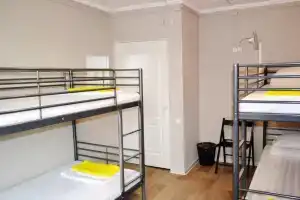 Offerfrom 9 USDClean Hostel na Borsoeva
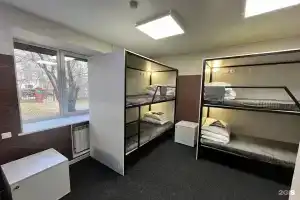 from 11 USDClean Hostel
 from 15 USDI Lyuks Viktoria Hostel
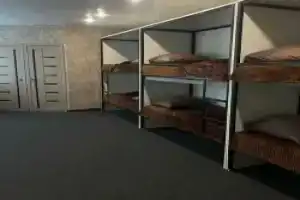 from 11 USDHotel Vokzaly
 from 12 USDSweet Home Hostel
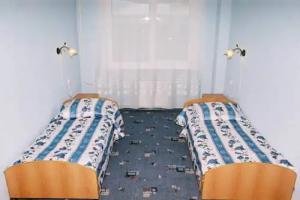 from 13 USDEconomy Hotel Dalnevostochniy
 from 15 USDAmar Hostel
 from 14 USDWellhome Hostel
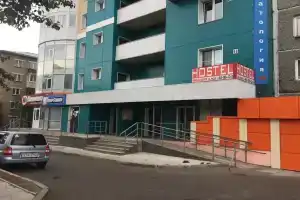 from 14 USDHostel U City
 Hostel Druzhba Nairamdal